

HAWTHORNE HISTORICAL SOCIETY
PRESERVATION. COLLECTION. RESEARCH. INTERPRETATION.
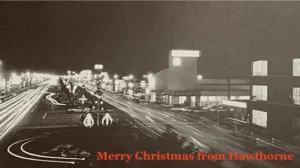
We will have to remember, too, all the things that have to be done to make the holidays right and start the work to accomplish that goal. Your schedule will be growing while your time until the end of the year will be shrinking.
But, don’t let it get you down, man. Slide behind the wheel of your low slung, hydraulically-suspended, elegantly-decorated classic car and ride – low and slow – into the coming season.
“Well I got me a fine wife I got me an ol' fiddle When the sun's comin' up
I got cakes on the griddle And life ain't nothin' but a funny funny riddle
Thank God I'm a country boy!”-Sung by John Denver, Written by John Martin Sommers
While you’re parked in bumper-to-bumper traffic on the freeway, or waiting in line at the DMV, or creeping forward in the lineup to drop the kids off at school, you keep telling yourself that as soon as you hit the lottery or make the big breakthrough at work, you’re going to get out of the big city
(Hawthorne) and find that perfect little spot to live in the country. You’ll raise a few potatoes and chickens, sit in the rocker on the front porch and offer apples to the shy little deer. Close your eyes and breathe in that sweet air! Well, don’t look now, but you’re sitting in that country – it’s just
100 years later.
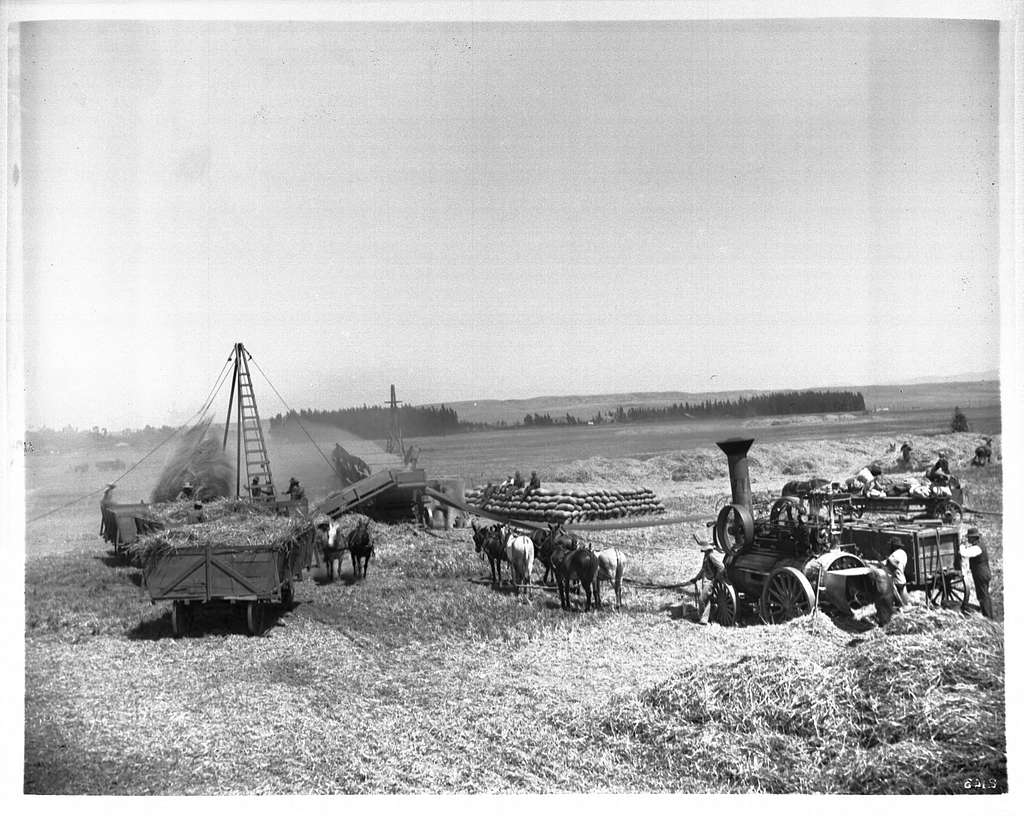
We don’t know what the First Peoples did in Hawthorne, but our “Ramona” hills, the lost Johnson Lake and the “132nd Street” slough must have invited them to spend time in our version of virgin countryside. Antonio Avila, a citizen of newly-almost-independent Mexico, followed the
established Californio agricultural practices for his Rancho Sausal Redondo (of which the future Hawthorne was a small corner) in 1822, running 3,000 head of cattle on the grant. The hides and tallow derived from the herds had been money-making exports since Mission days. By the time a US District Court had the jurisdiction to confirm Avila’s title to the land in 1855, he had added vineyards, cornfields and fruit trees.
In five years, his heirs sold the rancho to wandering Scot, Sir Robert Burnett, who apparently wanted to pause his traveling and try large-scale agriculture. Naturally, Sir Robert added sheep to the livestock, increased the cattle and put in more fruit trees. He also had stands of eucalyptus
and “California” pepper trees planted. The eucalyptus was being promoted at the time as a fastgrowing hardwood tree with a low water requirement that would yield resinous timber useful for exposed construction – railroad ties, bridgework, etc. (it didn’t). The pepper (unrelated to the spice) was a fast-growing, low water tree from South America widely planted at the missions to provide billowy shade. Burnett ended his agricultural interlude in thirteen years, returned to Scotland to head up his clan and leased the property to the Freemans.